How big tech influences individual lives?

Ryan Chen June 22, 2023
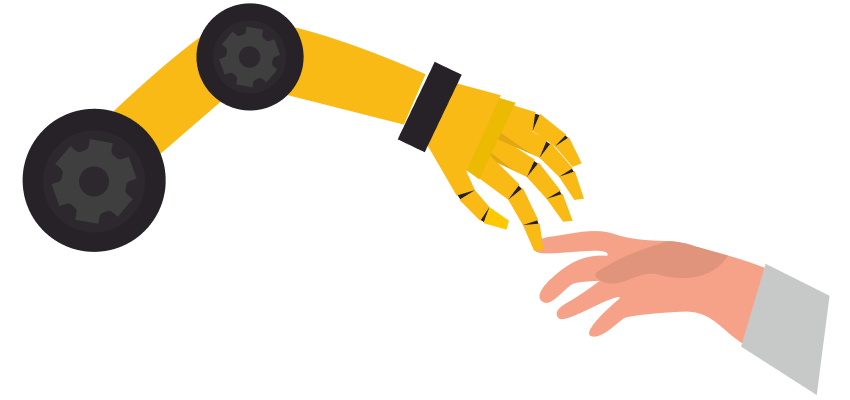
As individuals, our relationship with big tech is complex. As powerhouses of innovation and digital platforms, these corporations shape our world, from how we work and learn to how we socialize and entertain ourselves.
On the one hand, we appreciate the conveniences and opportunities they offer. On the other, we may feel uneasy about how much power and information they hold.
The Positive Impact
Firstly, let's consider the positive effects
Big tech companies have revolutionized our lives in numerous ways, providing innovative solutions to age-old problems and driving a digital revolution. Moreover, big tech's reach has been instrumental in providing educational and professional opportunities. Digital platforms have opened up a world of online learning and remote work, blurring geographical barriers, and broadening horizons for many. They've also fostered economic growth and innovation, creating jobs, and providing platforms for entrepreneurs to launch and grow their businesses.
The Negative Impact
As with any significant societal force, the influence of big tech comes with its set of challenges.
One of the significant issues is the question of privacy. These companies are privy to enormous amounts of personal data, from our search history and shopping habits to our personal communications and geographic locations. In addition, these companies wield immense power, leading to worries about monopolistic behaviors and stifling competition. Smaller businesses often struggle to compete in the digital landscape against these tech giants who can leverage their vast resources and economies of scale.
Is big tech being monitored?
Given the impact, big tech is increasingly in the public and regulatory spotlight. Governments worldwide are grappling with how to regulate these digital giants to ensure fair competition, protect citizens' privacy, and maintain the health of our democracies.
In the US, the Federal Trade Commission and Department of Justice are investigating the business practices of big tech, looking at possible antitrust violations. In Europe, regulators have been more proactive, with GDPR implemented to protect individuals' data privacy and several antitrust actions against big tech firms.
How to limit its impact in your life?
Balancing the benefits of big tech with the potential drawbacks can be a challenge. However, there are several steps you can take to mitigate the impact:
- Diversify Your Digital Life
Where possible, consider using a variety of digital platforms rather than relying on just a few. This approach can reduce the amount of data any single company has about you and promote competition. - Understand Privacy Settings
Get to know the privacy settings on each platform you use. These settings can control how much of your data is collected and shared. - Use Privacy Tools
Consider using tools such as VPNs and cookie blockers to protect your online privacy. - Be Conscious of Your Digital Footprint
Remember that what you do online leaves a trace. Be mindful of what you share on social media, and consider the potential future implications. - Digital Detox
Periodically disconnecting from digital platforms can be a good way to mitigate their influence. This approach can also help counteract some of the potential impacts of excessive screen time - Educate Yourself
Stay informed about the practices of big tech companies and the discussions surrounding them. Understanding the broader context can help you make more informed decisions.
By taking these steps, individuals can exert more control over their interactions with big tech and limit their impact. While it might be impossible to eliminate their influence entirely, being proactive can make a substantial difference.