Implication of Global Privacy Laws on Everyday Users

Ryan Chen September 21, 2023
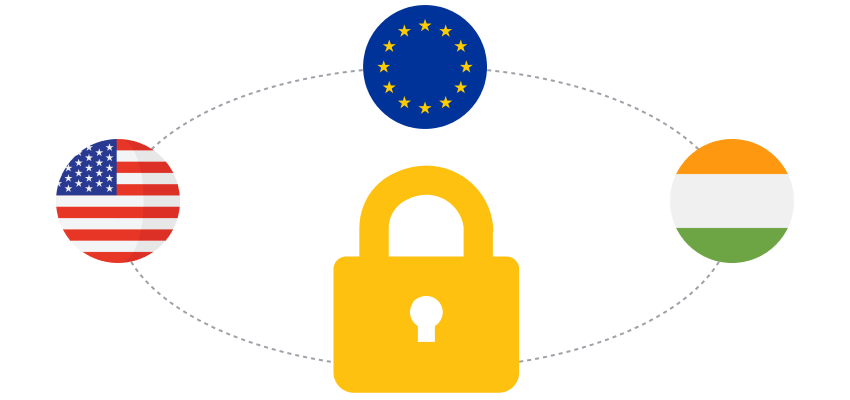
The lines between privacy and open data often blur in today's digital realm. Recognizing the heightened risks of data breaches and the potential misuse of personal information, governments are rallying to implement stringent data protection regulations. While complex in their legal jargon, these laws aim to guard the individual's personal data from falling into the wrong hands or being exploited. But amidst these vast terminologies and tech-savvy clauses, the average internet user, often called the 'everyday surfer,' might be adrift.
It's essential to break down these laws and truly understand their implications, so let's dig in.
Some major global privacy regulations include:
General Data Protection Regulation (GDPR) (Europe):
Instituted in 2018, it is one of the most comprehensive data protection laws in the world and has had a major impact on global data protection standards. Any business dealing with EU residents' data must adhere to this, irrespective of their location.
California Consumer Privacy Act (CCPA) (USA)
Effective since 2020, it allows California residents to know what personal data is collected about them, request its deletion, and opt out of its sale. It also sets stringent standards for businesses.
Personal Data Protection Bill (PDPB) (India)
The bill outlines certain rights for individuals, such as the right to access and correct their data, to data portability, and to erasure (often called the "right to be forgotten"). It also emphasizes individuals' consent for data processing. The bill stipulates that consent needs to be explicit and informed.
Decoding the Impact
Right to Access
Many privacy laws now empower users to request a copy of their personal data collected by companies.
Strengthened Consent Mechanisms
Remember those pesky cookie pop-ups on websites? They're not just for show! They result from strict consent mechanisms, ensuring users know what data is being taken and for what purpose.
Right to Deletion
If you ever felt a tinge of regret after signing up for a service, rejoice! Some regulations, like GDPR, allow individuals to have their data erased under specific circumstances.
Global Reach
You might not reside in California or Europe, but if a service you use does business there, they must comply with CCPA or GDPR. This means more global users enjoy the benefits these laws offer.
Challenges Ahead: Not All Rosy
While these laws paint a hopeful picture, they come with challenges:
- Complexity for Small Businesses
Meeting global privacy standards can be daunting and expensive for smaller businesses without substantial resources. - Data Transfer Restrictions
Strict data protection laws can hinder international data flows, affecting businesses operating in multiple jurisdictions.
What Can You Do?
- Stay Informed
With privacy policies ever-evolving, make it a habit to periodically review the policies of services you use. - Utilize Your Rights
If a platform behaves suspiciously or you no longer wish to use a service, exercise your rights. Request data access or deletion if the law allows - Be Proactive
Use tools like VPNs to add an extra layer of privacy and data encryption.
The tug-of-war between personal data collection and user privacy will intensify as the digital age progresses. But understanding and leveraging global privacy laws can put the power back into the hands of users. After all, in the vast digital ocean, you should be the captain of your data ship!
Start your privacy journey by making these quick and effective changes to your Android device.