Safeguard Your Smart Home Devices

Lily Michaels July 7, 2023
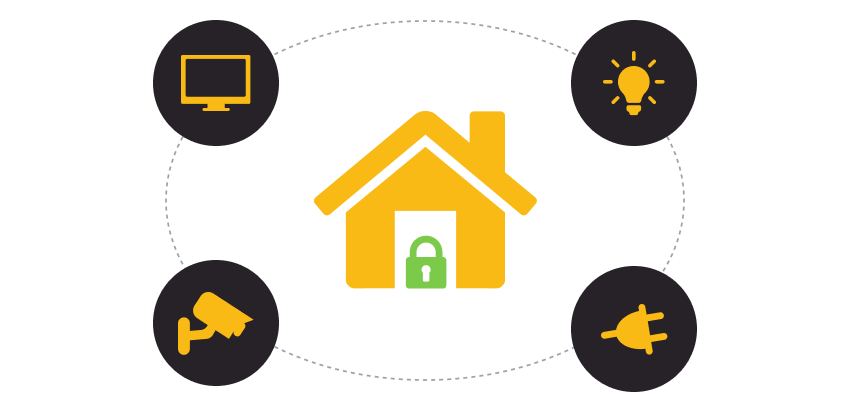
Virtually all smart home devices can be potential targets for cyberattacks due to their connection to the internet. However, some devices are more frequently targeted due to their prevalent use or because they might provide particularly valuable data to attackers. Some of these are:
- Smart Cameras & Video Doorbells
These devices can be exploited to intrude on personal privacy or gather information about daily routines and patterns. - Smart Thermostats
Vulnerabilities could allow hackers to control heating and cooling systems, which can lead to physical damage or increased utility bills. - Smart Home Hubs
As the central device that controls other smart home devices, if compromised, a smart home hub can give an attacker control over the entire smart home ecosystem. - Smart Speakers & Virtual Assistants
If hacked, these devices could potentially record conversations or access personal data.
How to spot an attack on your smart home device?
- Unusual Behavior
If a device begins to behave unusually or erratically, such as a smart thermostat changing temperatures on its own or smart lights turning on and off without input, it could be a sign of an attack. - Slow Performance
Cyberattacks often consume a lot of resources, which can slow down device performance. If a device is unusually slow or unresponsive, it could be compromised. - Unauthorized Activities
If you notice activities that you did not authorize, such as a smart door lock that has been unlocked or a security camera that has moved, it could indicate a breach. - Device Rebooting
If a device frequently reboots without reason, it might be a sign that malware is causing the device to crash and restart. - Suspicious Emails or Notifications
If you receive unexpected emails or notifications from a device, such as password change requests or new user account notifications, it may be a sign of a breach.
Tips to secure your smart home device
- Update Regularly
One of the most important security measures is to keep your devices up-to-date. Manufacturers often release updates that patch vulnerabilities, so always install updates. - Secure Your Wi-Fi Network
Your smart devices are often connected to your Wi-Fi network, which can be a potential point of entry for hackers. Ensure your Wi-Fi network is secure by using strong passwords, enabling network encryption, and changing your network's default name to something less identifiable. - Manage App Permissions
Be careful with the permissions granted to the apps connected to your smart devices. Only provide necessary permissions to trusted applications. - Crypt your device nicknames
An easy-to-do action that'll give you that added protection. Give your devices funky nicknames instead of location-based (such as bedroom smart light, and so on).
Remember, no security measure is foolproof. It's all about taking the call of how smart you want your home to be and then making it a challenging target for attackers.